Digestive Wellness and Gut Health
Prebiotics, probiotics and what actually happens when fermentable fibre reaches your large intestine.
Digestive Wellness and Gut Health — a SodaTide guide
The Basic Picture
Your large intestine contains a very large population of bacteria. Some of what you eat is not absorbed in the small intestine and arrives there intact, and those bacteria feed on it.
That process is called fermentation, and it produces short-chain fatty acids. It is the main reason dietary fibre gets so much attention in nutrition research.
Prebiotic Versus Probiotic
These two words get used interchangeably and they should not be.
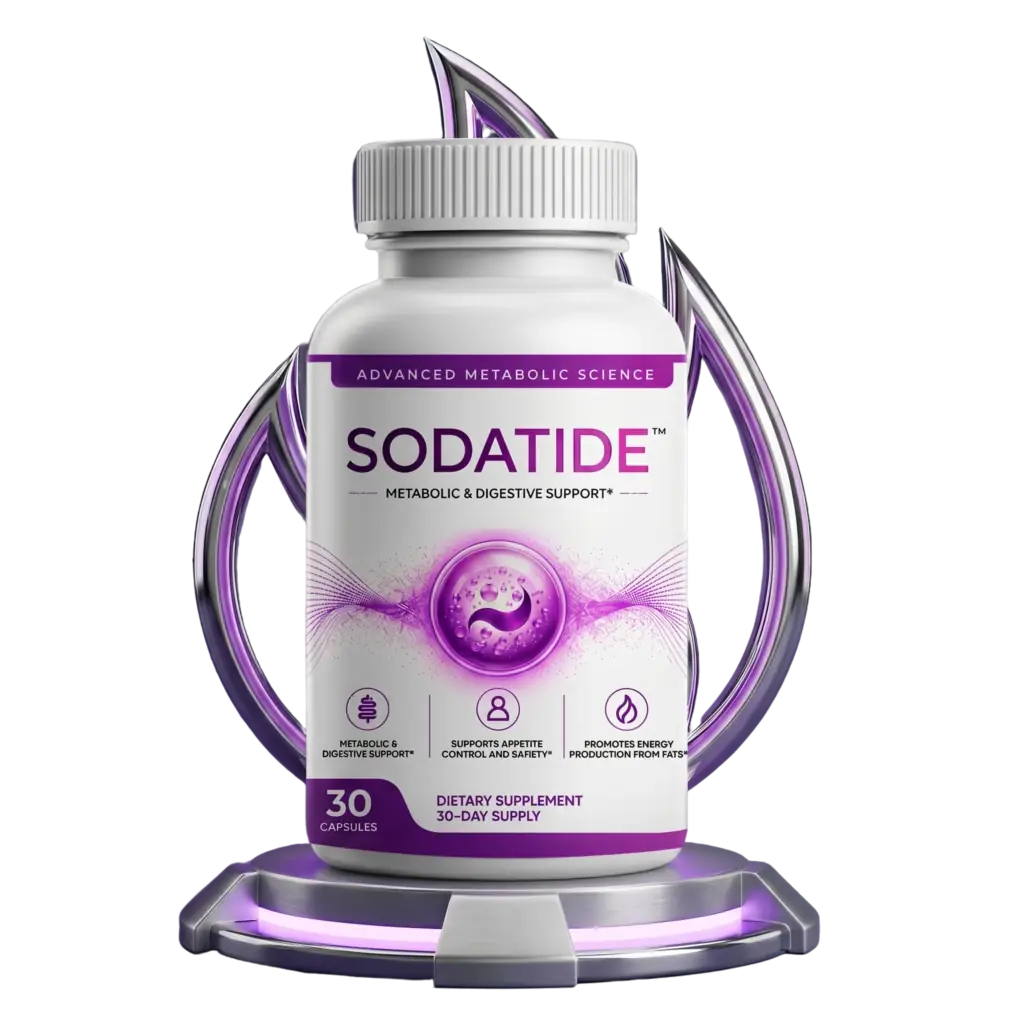
A prebiotic is material that feeds the bacteria already living in your gut. Chicory root inulin is a classic example, and it is the largest component on the supplied SodaTide label at 211 mg.
A probiotic is live bacteria themselves. The supplied label lists a 36 mg blend naming Bifidobacterium infantis, Clostridium butyricum and Akkermansia muciniphila.
Putting both in one capsule is a coherent pairing, since the fibre is exactly the kind of material those organisms use.
What Resistant Starch Is
Resistant starch is starch that resists digestion in the small intestine and is fermented further along, behaving more like fibre than like a normal carbohydrate. Potato resistant starch appears on the supplied label at 100 mg.
You also get it from ordinary food — cooked and cooled potatoes, rice and pasta, and slightly green bananas all contain it.
What to Expect in the First Fortnight
Wind and bloating. This is worth saying clearly because it surprises people and causes them to stop.
Adding fermentable fibre gives gut bacteria more to work on, and fermentation produces gas. It is a sign the material is doing what it is supposed to do, and it usually settles within a week or two as your gut adjusts.
When to check with a doctor first
- If you are immunocompromised, seriously ill, or have a central venous catheter — live probiotics warrant medical advice.
- If you have an existing digestive condition such as inflammatory bowel disease.
- If you have any history of bowel obstruction or difficulty swallowing.
- If digestive symptoms are new, persistent or worsening — that needs assessment rather than a supplement.
The Unglamorous Version That Works
A varied diet with plenty of plant foods does more for gut diversity than any capsule. Different plants feed different organisms, so variety matters as much as quantity. See how SodaTide is positioned alongside that.
Background reading
More From the SodaTide Blog
Start Your SodaTide Routine
One capsule a day with a full glass of water. SodaTide is designed to complement balanced eating and regular movement — not to replace either.
30 capsules per bottle — a 30-day supply at one capsule daily.